Classical music in Bristol - venues, choirs and what to look out for
Where Bristol actually sounds best: the halls, chapels and ensembles worth planning around.
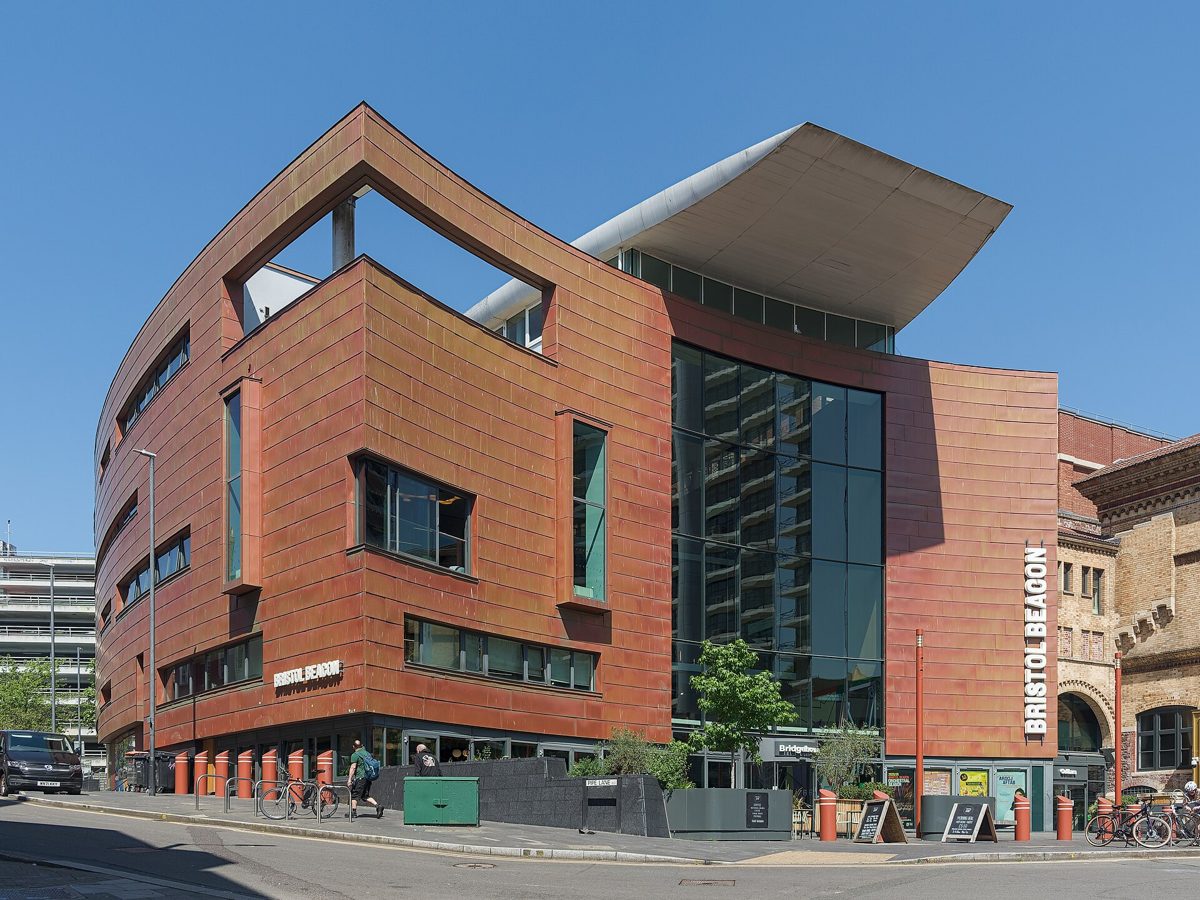
Bristol sustains four distinct pillars of classical music: Bristol Beacon, St George's Bristol, the choir of Bristol Cathedral, and the Bristol Ensemble. Each occupies a different niche, from large-scale symphonic works in a converted wool warehouse to chamber acoustics in a former Georgian church, liturgical choral traditions in a medieval nave, and the city's primary professional orchestral backbone. Together they cover the full spectrum of classical repertoire without overlapping or competing directly. This guide maps out exactly what each does best and how to approach them as a regular concertgoer.
Bristol Beacon - The Large-Scale Engine
Formerly known as Colston Hall and renamed in 2020 after a fundamental reconfiguration of its public spaces, Bristol Beacon operates as the city's largest indoor concert venue. The main auditorium seats around 2,000 people. Historically, the hall suffered from notoriously dead acoustics that challenged both performers and audiences. The recent building programme addressed this directly, overhauling the acoustic design to suit modern symphonic performance while preserving the room's fundamental scale. The atmosphere remains that of a grand civic hall rather than an intimate salon.
The Beacon handles repertoire that demands sheer volume and instrumental force. You go here for Mahler symphonies, large romantic concertos, and full choral works like Verdi's Requiem. It hosts touring orchestras from London and beyond, and provides the stage for the Bristol Ensemble's largest seasonal concerts. The programme leans heavily toward nineteenth and twentieth-century staples, film music, and popular classical crossover events. For a member or regular attendee, the Beacon is the destination when a massive string section and a full brass choir are on the programme. The refurbished acoustic finally gives the brass and percussion room to breathe, bringing clarity to dense, complex orchestral textures.
St George's Bristol - The Chamber Ideal
St George's Bristol is a converted Georgian church built in 1823 by architect Sir John Soane. It sits on Great George Street, just off Park Street, and serves as the city's premier venue for chamber music, solo recitals, and small vocal ensembles. The building is Grade I listed. Its architectural significance lies in the simple, geometric interior and the acoustic properties generated by Soane's design. The sound is immediate, resonant, and highly detailed. Notes bloom naturally in the space without lingering excessively, making it ideal for music that relies on clarity and inner voices rather than sheer dynamic range.
This venue excels at baroque chamber music, string quartet cycles, and solo piano recitals. When the Bristol Ensemble performs here, they typically scale down to conductorless string forces or small wind ensembles. St George's programmes early music specialists, period instrument groups, and contemporary chamber works with a regular frequency. The room rewards period instruments, where gut strings and lighter bowing techniques project with striking intimacy. A solo cello suite by Bach or a Schubert piano trio lands with an immediacy that a larger hall would swallow entirely. The seating is wrap-around and non-hierarchical, bringing the audience close to the performers.
Bristol Cathedral - Liturgical Foundations
Bristol Cathedral originates as an Augustinian abbey founded in 1140, becoming a cathedral in 1542. The choir of Bristol Cathedral maintains the daily choral tradition, singing evensong services during term time. The building features a unique hall-church design, particularly in the eastern Lady Chapel, where the aisles reach the same height as the nave. The acoustic is vast, reverberant, and atmospheric. Sound decays slowly, creating an overlapping wash of harmony that suits unaccompanied vocal music perfectly. The acoustic challenges fast, articulated rhythms but elevates sustained, polyphonic writing.
The choir performs standard Anglican cathedral repertoire, ranging from Tudor polyphony by Thomas Tallis and William Byrd to contemporary evensong settings by living British composers. The music is liturgical rather than concert-hall based. Attending an evensong service costs nothing and offers the purest way to experience the choir in its natural context. The choir consists of boy and girl choristers alongside adult lay clerks. The programme is dictated by the church calendar, meaning Christmas carol services and Holy Week music represent the absolute peak of the cathedral's musical year. For a regular attendee, the draw is the consistent quality of the choral sound bouncing off the medieval stone.
The Bristol Ensemble - Professional Backbone
The Bristol Ensemble functions as the city's primary professional orchestra. Unlike a single-site institution, it operates across multiple venues, scaling its forces to fit the acoustic and the programme. The ensemble comprises freelance professional players based in the South West, and it provides the core orchestral workforce for large-scale concerts in the city. They act as the resident orchestra for major symphonic programmes at Bristol Beacon and scale down to chamber configurations for specialized series at St George's Bristol.
The ensemble's repertoire is broad. They accompany international soloists for major concerto performances, provide the orchestral backing for large choral societies, and run their own themed concert series. A typical season includes late romantic symphonies, baroque specials, and educational outreach concerts. Their adaptability is their defining characteristic. They might perform a full Strauss tone poem at the Beacon on a Saturday night, then provide a small string orchestra for a Sunday afternoon chamber concert at St George's. They form the structural core of Bristol's classical scene, providing the instrumental depth that touring conductors and soloists require.
Matching Repertoire to the Room
Understanding which venue suits which composer transforms the concertgoing experience in Bristol. Choosing the right room for the right era of music dictates how the music will sound. Bristol Beacon: Ideal for late romantic and twentieth-century repertoire. Mahler, Strauss, Shostakovich, and large-scale film music. The expanded acoustic now supports large brass sections and heavy percussion without muddying the string tone. St George's Bristol: The prime location for baroque and early classical chamber music. Bach, Handel, Haydn, and Mozart string quartets. The Soane acoustic allows gut strings and harpsichords to project with absolute clarity. Also excellent for contemporary solo piano and modern chamber pieces. Bristol Cathedral: Reserved for liturgical choral music, Renaissance polyphony, and unaccompanied vocal traditions. The long reverberation time suits Tallis, Byrd, and Stanford. Large scale choral concerts also work well here when the repertoire is sustained and homophonic. The Bristol Ensemble: Functions as the connective tissue across these spaces, adapting its size and repertoire to suit the specific acoustic properties of the room.
Planning a Classical Season in Bristol
A well-planned classical music schedule in Bristol balances the grand civic scale of the Beacon with the intimacy of St George's and the historic liturgical offerings of the Cathedral. The Bristol Ensemble often acts as the unifying thread. For instance, an autumn schedule might feature the Ensemble playing a Bruckner symphony at the Beacon, followed by a weekend afternoon baroque concert at St George's featuring a small group of their principal string players. Interspersing these with regular evensong services at the Cathedral provides a comprehensive view of classical music's full breadth.
Members and regular attendees benefit from monitoring all four organizations independently. The Beacon handles the blockbuster touring events. St George's curates the niche, specialized, and early music programmes. The Cathedral offers weekly vocal standards free of charge. The Bristol Ensemble provides the local, professional instrumental core that ties the entire civic musical infrastructure together.
Frequently asked questions
What is the difference between Bristol Beacon and St George's Bristol?
Bristol Beacon is a large, multi-level concert hall seating approximately 2,000 people, designed for full symphonic orchestras, touring pop-classical acts, and large-scale choral works. St George's Bristol is a Grade I listed former church designed by Sir John Soane, seating far fewer people in a wrap-around format. St George's specializes in chamber music, solo recitals, and early music, offering an intimate acoustic that highlights individual instrumental voices rather than collective orchestral force.
Can anyone attend the choir of Bristol Cathedral?
Yes, the primary way to hear the choir is by attending a standard church service, such as evensong, which is open to the public. The choir sings as part of the regular Anglican liturgy during school terms. The music is selected to match the daily lectionary and the liturgical calendar, meaning attendees experience the music in its intended functional context rather than as a standalone concert performance.
Does the Bristol Ensemble have its own concert hall?
No, the Bristol Ensemble does not operate a dedicated concert hall of its own. It functions as a flexible, professional orchestra that performs across the city. The ensemble scales its instrumental forces to fit the venue, playing large symphonic programmes at Bristol Beacon and scaled-down chamber or baroque programmes at St George's Bristol, adapting its acoustic approach to suit the specific architecture of each building.
This is an independent member's guide compiled by Bristol Society. We are not affiliated with the venues and institutions mentioned; opening arrangements and programmes change - always confirm details on the official websites before making plans.
← Back to Events