Bristol: Where Aerospace, Creative Tech and Green Innovation Meet
Bristol blends world-class engineering, a celebrated creative sector and a leading green-economy agenda. We explore what makes the city distinctive.
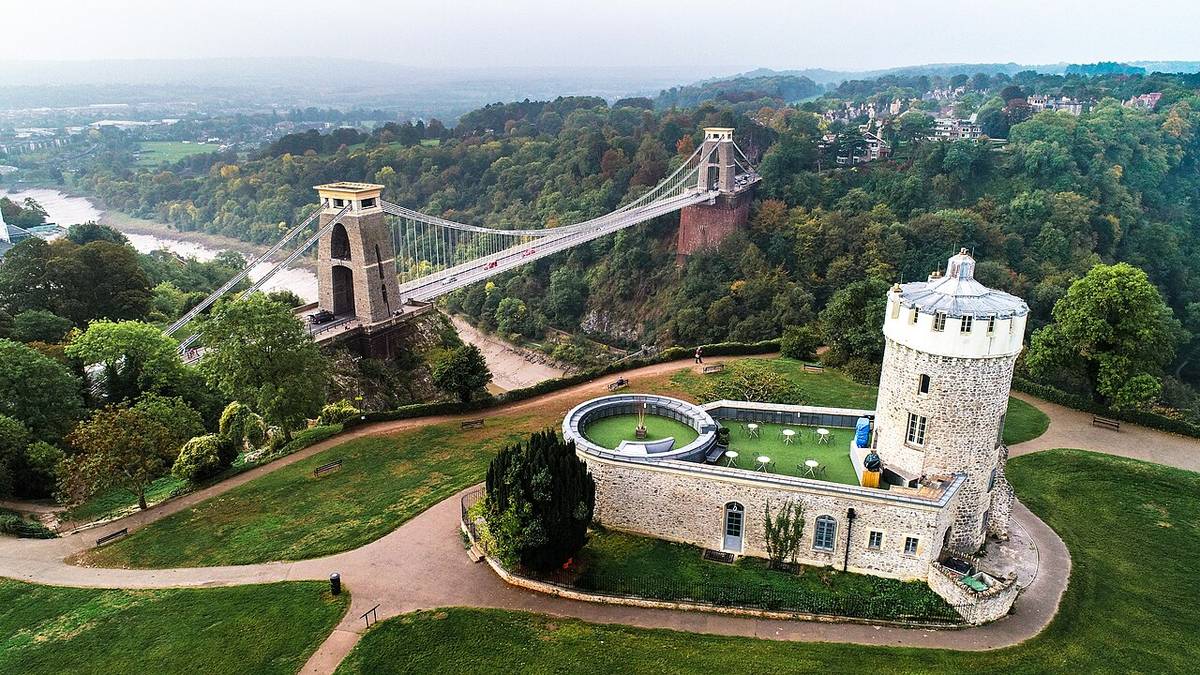
Engineering and Aerospace Heritage
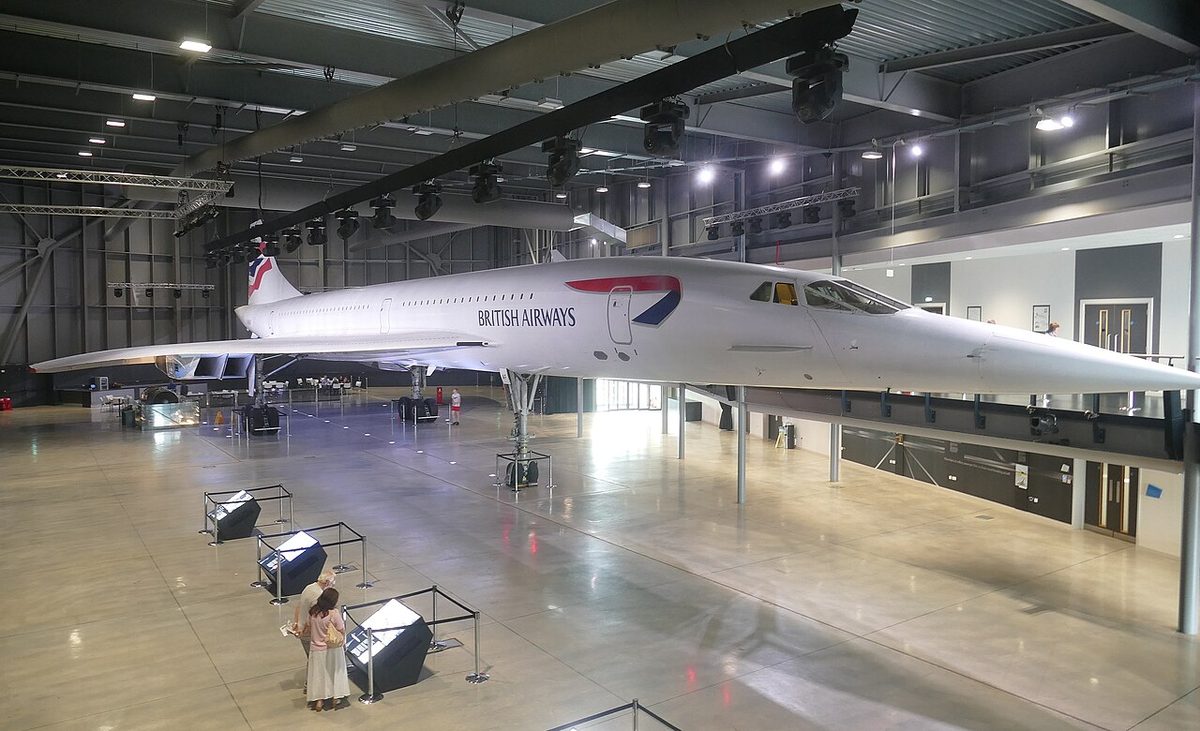
Bristol’s reputation as a crucible for engineering talent is not recent. The city’s historical roots in advanced engineering stretch back to the early 20th century, when the Bristol Aeroplane Company began producing aircraft for both civilian and military use. The Filton site, north of the city, became synonymous with world-class aerospace, hosting design and manufacturing for Concorde, the iconic supersonic passenger jet. Rolls-Royce, a name synonymous with British engineering, still maintains a substantial presence, focusing on jet engine development and research.
Engineering isn’t confined to aviation. Bristol has long been a hub for broader advanced manufacturing, with companies clustered along the M4 and M5 corridors. The region’s engineering know-how feeds sectors from marine to microelectronics. The combination of legacy and ongoing innovation means Bristol is often chosen as a test-bed for new technologies. Major research centres and industry partnerships, including with the National Composites Centre, support the city’s appetite for pioneering ideas. While other UK cities compete fiercely, Bristol’s engineering culture is more collaborative and experimental than most, blending traditional expertise with a knack for creative problem-solving.
In July 2026 Airbus opened the next chapter of that story at Farnborough: a three-year flight-test campaign for the Wing of Tomorrow programme. Full-scale folding wing extensions, assembled at the Wing Technology Development Centre in Filton, will fly on an A321neo to test how longer, lighter wings behave in real conditions. The programme builds on three 17-metre ground demonstrators and more than a decade of ATI-backed research. As programme head Sue Partridge puts it, the wing is one of the biggest levers available for improving flight efficiency, and the campaign lets engineers challenge traditional design limits in safety.
Filton's pipeline runs wider than one wing. The eXtra Performance Wing demonstrator explores shape-changing wings, AlbatrossONE tests hinged tips borrowed from seabirds, and the Filton Zero Emission Development Centre works on cryogenic hydrogen tanks for the ZEROe aircraft targeted at 2035. The 40 million pound AIRTeC test centre, opened in 2021, anchors this work, while National Composites Centre teams delivered 28 primary-structure composite parts for the demonstrators. Concorde 216, the last to fly, now rests at Aerospace Bristol in Filton after crossing the Clifton Bridge in 2003, which makes the city the only place where the supersonic past and the net-zero wing share a postcode.
The Creative and Animation Sector
Bristol’s reputation in animation and film is almost mythical. Aardman Animations, creators of Wallace & Gromit and Shaun the Sheep, is the city’s most famous export, but the creative sector’s roots are deeper. The BBC Natural History Unit, headquartered in Bristol, has produced legendary wildlife documentaries for decades, leveraging the city’s talent pool in cinematography and sound design.
Local studios and freelancers are woven into Bristol’s cultural fabric. The city hosts the annual Encounters Film Festival, drawing animators and filmmakers from around the world. Bristol’s creative ecosystem is sustained by flexible workspaces, specialist schools, and a culture that encourages risk and experimentation. The city’s Georgian and Victorian architecture, lively harbourside, and gritty murals make it a natural canvas for visual storytelling.
Bristol’s creative sector isn’t insular. Animators and digital artists often collaborate with engineers and technologists, from VR storytelling to interactive installations. This cross-pollination reflects the city’s ethos: innovation is not just about technology, but about new ways to communicate, entertain, and educate.
Since this guide was first written, the creative infrastructure has gained institutional weight. MyWorld, backed by UK Research and Innovation, runs The Sheds on Avon Street with the Bristol Digital Futures Institute: a Reality Emulator for digital twins, the Smart Cinema billed as the world's first fully instrumented auditorium, and a multicamera studio with a 9-metre LED virtual production stage. Partners include Aardman, Lux Aeterna, BT, Watershed, the two Bristol universities, Bath Spa, UWE and Bristol Old Vic.
Production capacity has scaled too. The Bottle Yard Studios in Hengrove remains the largest dedicated film and TV facility in the West of England and a cornerstone of the city's UNESCO City of Film status, while Channel 4 keeps a growing Bristol presence. Research funding follows the same pattern: the Bristol and Bath Creative R and D programme brought 6.8 million pounds from the Arts and Humanities Research Council into a cluster independently measured at 15,900 jobs and 780 million pounds of GVA.
Green Innovation and Sustainability Leadership
Bristol’s green credentials are hard to ignore. The city was named European Green Capital in 2015, a recognition of its efforts in sustainable urban development, cycling infrastructure, and renewable energy. Bristol’s council has committed to achieving carbon neutrality, and local businesses are deeply involved in green economy initiatives.
The city’s green innovation isn’t abstract policy. Bristol is home to a cluster of sustainability startups, including those working on low-carbon transport, energy storage, and smart city solutions. The city’s port, once a hub for global trade, now hosts renewable energy projects and supports clean maritime tech. The Centre for Sustainable Energy, based in Bristol, works on practical solutions for energy efficiency and poverty reduction.
Community activism is a crucial part of the city’s green story. Grassroots organisations, from urban gardening collectives to cycling advocacy groups, shape policy and public life. Bristol’s approach to sustainability often means a willingness to experiment with new models - from co-housing to community-owned solar. The result is a city that treats green innovation as a practical challenge, not just an ideological goal.
Policy has moved from pledges to instruments. The city's Economic Strategy for 2025 to 2035, titled Fair, Green and Thriving, names clean tech and energy alongside fintech, quantum and health as growth specialisms, and backs an industrial decarbonisation plan for the Avonmouth, Portbury and Severnside port cluster. For creative firms the pressure is commercial as well as civic: Bristol Creative Industries now runs carbon-reporting briefings because government and NHS tenders increasingly require a carbon reduction plan, and Future Leap's West of England funded bootcamps train working professionals in carbon literacy across cohorts that started in September 2025 and January 2026.
The Talent and University Base
Bristol’s dual university system is a powerful engine for innovation. The University of Bristol, with its global reputation for research, drives breakthroughs in quantum technologies, medical sciences, and engineering. UWE Bristol (University of the West of England) is equally formidable, especially in robotics, creative industries, and environmental research.
Both universities feed the city’s talent pool, producing graduates who are ready to start businesses or join industry. The universities collaborate with local employers on placements and research, and spinouts are common. The Bristol Robotics Laboratory, a joint venture, is one of the largest robotics research facilities in Europe.
What sets Bristol apart is the permeability between academic and commercial worlds. Students, researchers, and entrepreneurs share spaces at hubs like Engine Shed, Watershed, and Future Space. The city’s lively independent culture means ideas can move quickly from concept to market. Bristol’s universities also support local communities, offering outreach programmes and skills training that widen access to innovation careers.
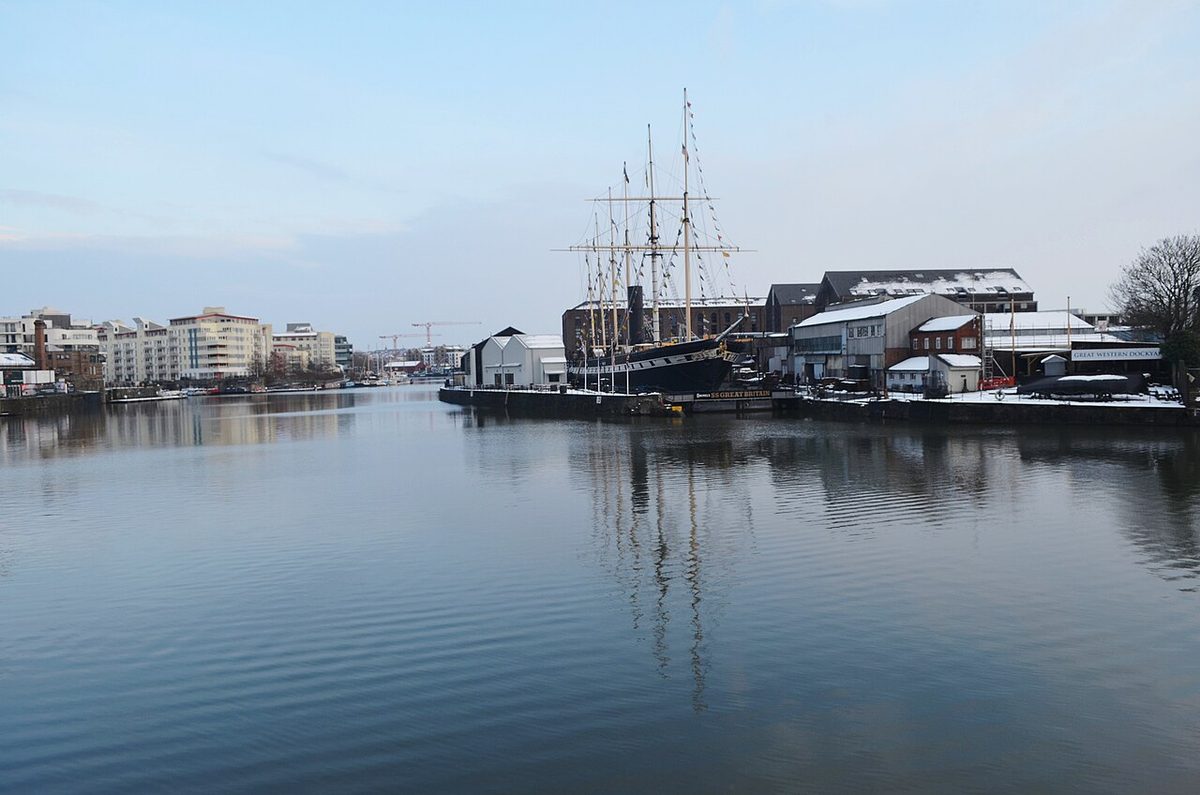
One address in this section has an expiry date. Engine Shed, the Brunel-built innovation hub by Temple Meads, closes in December 2026 after thirteen years, with its team moving to the Bristol Innovations Zone in the main academic building of the Temple Quarter Enterprise Campus, opening in 2026. The campus programme carries 95 million pounds of government support toward 10,000 homes and 22,000 jobs across 135 hectares, with SETsquared Bristol relocating alongside. For members the practical point is simple: the rooms change, the network persists, and bookings made for 2027 should name the new building.
What’s Next for Bristol?
Bristol’s trajectory is not guaranteed, but its foundations are solid. The city faces challenges - housing affordability, infrastructure strain, and the need to ensure innovation benefits all communities. Yet its blend of engineering rigour, creative energy, green ambition, and academic excellence gives it an edge.
Emerging sectors, from artificial intelligence to climate tech, are already finding fertile ground in Bristol. The city’s ongoing investment in digital infrastructure and transport will shape its future competitiveness. Bristol’s leaders increasingly focus on inclusive growth, aiming to spread the benefits of its innovation culture beyond the city centre.
In sum, Bristol’s identity as an innovation city is not the result of slick marketing. It is built on a century of engineering, a global creative legacy, real sustainability leadership, and two universities that anchor its talent base. For those seeking the UK’s next big story in innovation, Bristol is not a city to overlook.
Meta description: Bristol’s distinctive status as a UK innovation city rests on its aerospace heritage, world-class animation sector, green economy leadership, and dynamic university base. An editorial analysis explores how Bristol’s engineering, creative, and sustainability strengths shape its future.
Frequently asked questions
Where can I see Concorde in Bristol?
At Aerospace Bristol in Filton: Concorde 216 (G-BOAF), the last to fly, which crossed the Clifton Bridge in November 2003. Check opening times on the official museum site before visiting.
What is the Wing of Tomorrow flight-test campaign?
A three-year campaign announced in July 2026: Filton-assembled folding wing extensions fly on an A321neo to test longer, lighter wings in real conditions, with testing in Toulouse.
Where do Bristol creatives and technologists meet in 2027?
The Bristol Innovations Zone in the main academic building of the Temple Quarter Enterprise Campus, which succeeds Engine Shed after its December 2026 closure. Watershed and the Pervasive Media Studio continue as before.
Which green credential matters for Bristol business now?
Beyond the 2015 European Green Capital title, carbon reporting increasingly decides tenders, and the Centre for Sustainable Energy plus West of England bootcamps offer practical routes in.