A cultural weekend in Bristol - the member's itinerary
Two well-planned days of art, music, architecture and food in Bristol - an itinerary built around real landmarks.
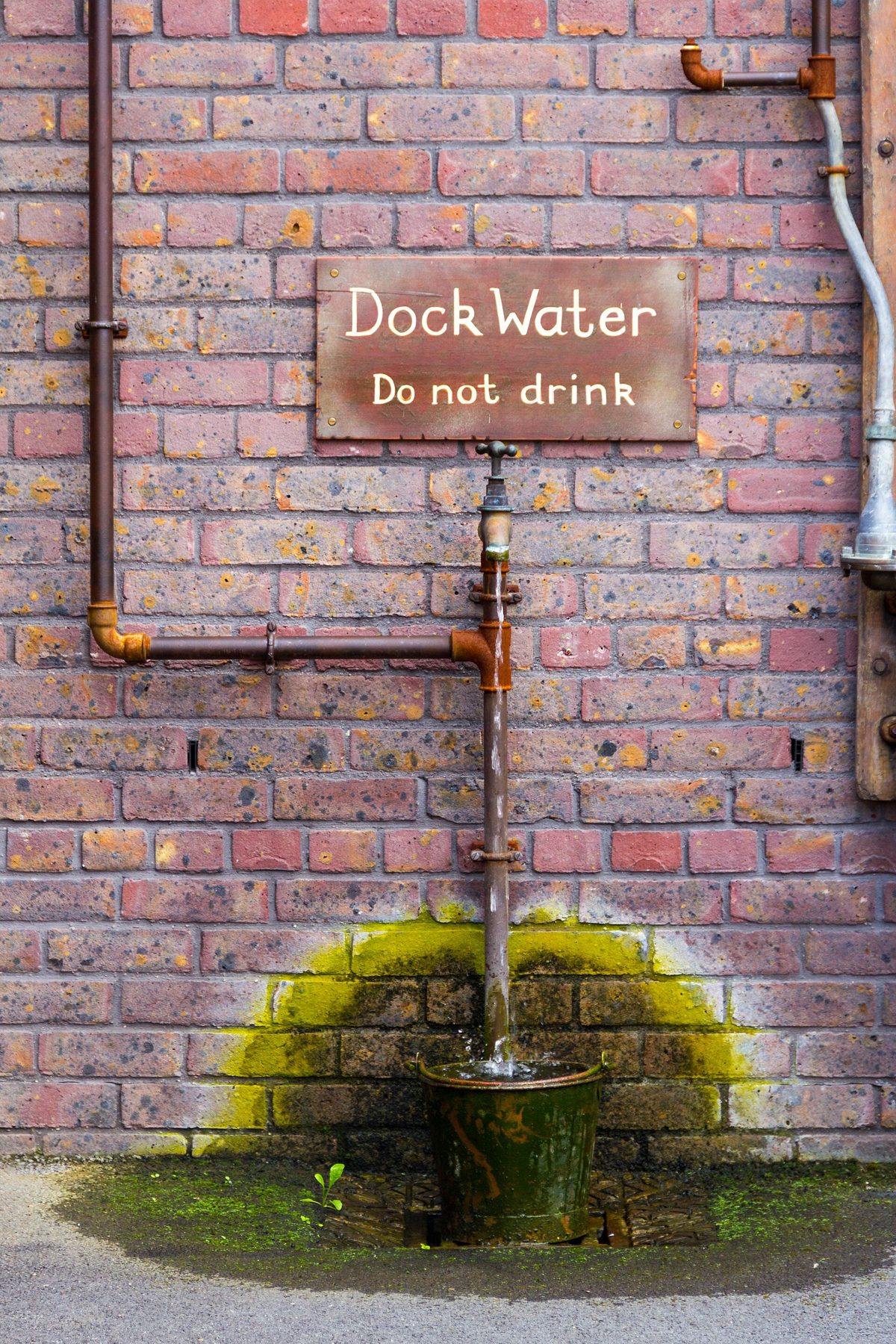
Bristol repays the curious. Two days here means Georgian terraces, a floating harbour, industrial ghosts turned into galleries, and some of the best food west of London. This itinerary cuts the filler and strings together the places that actually matter, moving from the historic docks to the city's hilltop vistas without ever feeling rushed. Walk it, eat it, drink it. Bristol works best when you let the city's independent streak lead.
Saturday Morning
Start in the floating harbour at the SS Great Britain. Brunel's iron steamship sits in the dry dock where she was built, restored to her Victorian prime. The experience goes beyond looking at a boat. You walk through the dock underneath the ship, where a thin layer of water covers the glass ceiling, giving the uncanny sense that the vessel still cuts through the sea. Below deck, every cabin, galley, and engine room is dressed with exacting detail, down to the smell of oil and horse manure. It is the single best attraction in the city, and morning light makes the gilt lettering on the stern glow.
Walk west along the harbourside for ten minutes to Wapping Wharf. This cluster of stacked shipping containers turned independent shops and kitchens is your coffee and pastry stop. Little Victories does a flat white and cardamom bun that sets the standard. The lane sits right on the water, so you can lean against the railings and watch paddleboarders dodge the harbour ferry while you eat.
From here, cross Pero's Bridge and walk into the city centre. Keep your eyes up. The route passes the Bristol Cathedral on College Green, a medieval structure that feels more intimate than its cathedral status suggests. The chapter house inside has some of the finest Norman zigzag carving in England. It is free to enter, quiet, and takes ten minutes. Right next door, the Central Library is an Edwardian Baroque bruiser with a reading room that deserves a peek if the door is open.
Saturday afternoon
Head up Park Street. The incline is steep enough to justify another snack, and Mrs. Potts Chocolate House about halfway up does a hot chocolate so thick the spoon nearly stands up. At the top, you hit the Bristol Museum & Art Gallery. This is your cultural anchor. The natural history wing has the famous Alfred the gorilla, a Victorian taxidermy specimen turned local mascot. But the real draw is the collection of French moderns in the upper galleries. The museum holds works by the Camden Town Group and a rotating selection of works on paper that often pull from their deep collection of British impressionism. The building itself is an Edwardian Baroque statement, with a central hall mosaic floor that is worth craning your neck for. Spend an hour and a half here. It is not the Tate, but it punches far above its weight for a regional museum.
When you exit, you are on the doorstep of the University of Bristol's Wills Memorial Building. The tower is visible from most of the city and, on a clear day, you can book a tour to climb to the top. The view takes in the Clifton Suspension Bridge and the Mendip Hills beyond. Even from street level, the Great Hall is a gothic revival powerhouse.
Walk ten minutes west into Clifton Village. This is the Georgian money belt, all honey-colored terraces and independent bookshops. The Clifton Arcade is a tiny Victorian shopping arcade with stained glass and a handful of dealers selling vintage watches and antique maps. It is a good place to browse without obligation. If you need a pint, The Coronation Tap has been serving cider from the same corner since the 1800s. It is fiercely traditional, a single room with wooden benches where the only question is dry or medium.
Saturday evening
Dinner should be booked in advance. Bristol's restaurant scene has been running hot for a decade, and the best tables get taken early in the week. My advice is to aim for the stretch between King Street and Welsh Back. The Matrona on Welsh Back works with a live fire and whole-animal butchery, the kind of place where a smoked lamb shoulder arrives with pickles and flatbreads and the wine list is full of natural producers. The dining room is a converted warehouse with exposed brick and the smell of wood smoke.
After food, move to King Street. This seventeenth-century road is the pub mile of Bristol. The Old Duke has live jazz and blues seven nights a week, no cover charge, just squeeze in and find a spot near the bar. The building is a black-and-white timbered relic, the beer is local, and the band might be a trio of old hands or a young saxophonist fresh from the conservatoire. A few doors down, The Hen & Chicken is a larger setup with a comedy club in the back and a solid pizza kitchen.
If you want something quieter, walk five minutes to the Harbourside and find The Ostrich. It is a pub on a boat, permanently moored, with a low-beamed cabin bar that feels like a pirate's den. The beer selection is small but curated, and you can sit on the upper deck and watch the water. This is a city built on the docks, and ending the night with a drink on the water feels right.
Sunday morning
Start early and walk the Harbourside toward Spike Island. The morning light on the water is the best the city gets, and the path is quiet before 10 a.m. Your destination is the M Shed museum. This is the social history of Bristol, told through the objects and voices of the people who lived it. The top floor has a section on the Bristol Bus Boycott, the 1963 protest led by Paul Stephenson that helped pave the way for the Race Relations Act. It is direct, well curated, and avoids the usual museum clichés. The ground floor has a working steam crane and a display on the city's aviation history, including the Concorde that Bristol helped build. The museum is free.
From M Shed, cross the footbridge to the Wapping Wharf side. This is the home of CARGO, a second pod of shipping containers turned into food stalls and shops. For breakfast, Squeezed does a peanut butter and banana smoothie and a burger that is worth the ten-minute wait. The seating is communal, the coffee is from local roaster Extract, and the atmosphere is a cross between a street market and a design fair.
Sunday afternoon
This is your art and street culture afternoon. Walk north through the city centre toward Stokes Croft. The road is the spine of Bristol's independent district, a messy collision of mural-covered walls, record shops, and social enterprises. The first stop is The Cube Cinema, a volunteer-run microplex built into a former factory. If a film is screening, go. The program is eclectic, the bar is cheap, and the seats are a mix of sofas and donated chairs. It is one of the last genuinely independent cinemas in the country.
The main event is the Banksy hunt. Bristol is the city where Banksy first picked up a spray can, and several of his early works still cling to walls around Stokes Croft and the city centre. The most famous is The Mild Mild West, a bear throwing a Molotov cocktail at three riot police on the side of the Canteen bar on Stokes Croft. It has been there since 1999 and is protected by a sheet of perspex. Around the corner on the side of a sexual health clinic is The Girl with the Pierced Eardrum, a take on Vermeer's painting with a burglar alarm replacing the pearl earring. A short walk brings you to Frogmore Street, where The Well-Hung Lover shows a man in suit dangling from a window sill on the side of a former council building. These are not in a gallery; they are on the street, free, and part of the city's daily fabric. The Mild Mild West: Stokes Croft, beside the Canteen. A bear lobbing a Molotov, painted in 1999. Girl with the Pierced Eardrum: Hanover Place, off Stokes Croft. An alarm box reimagined as an earring. The Well-Hung Lover: Frogmore Street, near the top of Park Street. A suited man clinging to a ledge. Masked Gorilla: Easton, on the side of the Jalalabad Supermarket. A gorilla in a pink mask, from 2001. Cat and Dog: Foster Street, off Cheltenham Road. A cat holding a dog by the collar, a later work from 2004.
Walk back toward the centre via Gloucester Road, the longest stretch of independent shops in the UK. Bristol Sweet Mart is a family-run shop that stocks everything from Iranian saffron to local honey, and the smell of spices hits you before you open the door. The street is full of second-hand bookshops, plant nurseries, and the odd basement bar. If you need a final bite, The Gallimaufry on Gloucester Road does a Sunday roast with a modern edge and a solid natural wine list. It is the right mix of local and laid-back to end the weekend.
Frequently asked questions
Is Bristol walkable for a weekend?
Yes, and walking is the best way to see it. The itinerary above connects the central areas on foot, with the longest stretch being the walk from the harbourside to Clifton, which is about 25 minutes uphill. The terrain is hilly, so comfortable shoes matter. The bus network fills in any gaps, and the number 8 runs frequently along the central spine.
What is the best time of year to visit Bristol?
Late spring through early autumn gives you the best light and the most outdoor life, but Bristol works year-round because its culture is built around indoor markets, pubs, and museums. The harbourside path is covered in parts, and the SSB Great Britain is mostly under cover. Winter weekends bring the bonus of fewer queues and easier dinner reservations.
Do I need to pre-book any of these places?
The SS Great Britain recommends booking ahead on weekends, especially for morning entry slots. The Bristol Museum is drop-in and free. For dinner, you should book a table at least a week ahead if you want a specific time at The Mat or any of the popular spots around Welsh Back. Banksy walks are self-guided and free, though walking tours run daily and can be booked on the day if you prefer a guide.
This is an independent member's guide compiled by Bristol Society. We are not affiliated with the venues and institutions mentioned; opening arrangements and programmes change - always confirm details on the official websites before making plans.
← Back to Events