Day trips from Bristol - a member's guide
Where to go when you have a day and want it to count: real destinations within reach of Bristol.
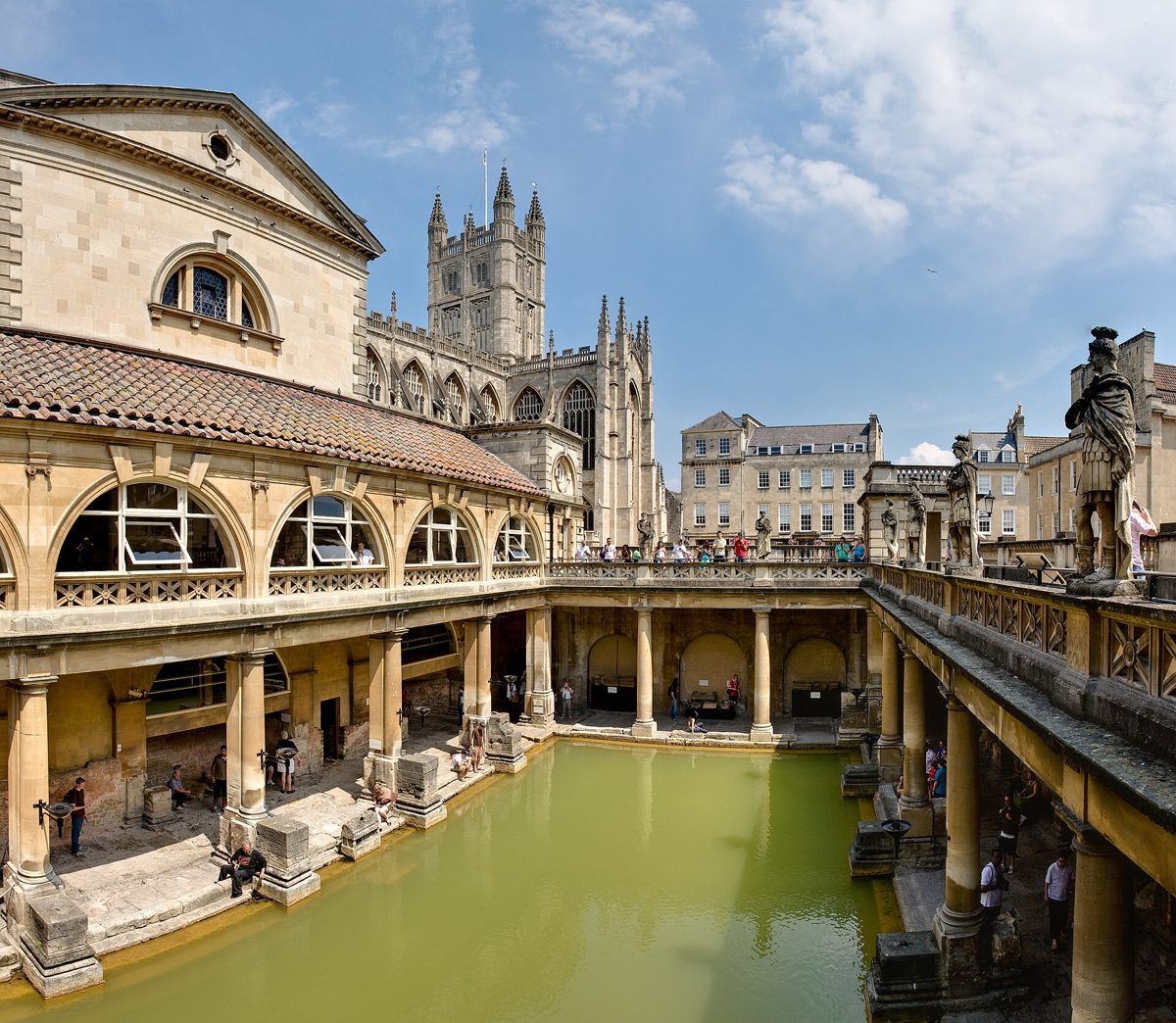
Bristol's prime location in the southwest of England makes it an ideal starting point for exploring a rich variety of historic cities, dramatic natural landscapes, and charming coastal towns. From ancient Roman heritage to Victorian engineering and stunning gorges, these nearby destinations offer rewarding experiences within easy reach for a full day's adventure.
Introduction
Bristol serves as a vibrant gateway to the wider West Country, offering residents and visitors alike a convenient base from which to explore a diverse array of attractions. Whether seeking historical immersion, natural beauty, or architectural marvels, the surrounding counties provide ample opportunity for enriching day excursions, each with its distinct character and appeal.
Bath: Roman Heritage and Georgian Elegance
Bath, a UNESCO World Heritage site, stands approximately 13 miles east-southeast of Bristol. This city is renowned globally for its Roman Baths and its striking Georgian architecture, particularly the Royal Crescent and The Circus. The thermal springs, which first attracted the Romans, continue to flow, underpinning much of the city's identity.
The Roman Baths complex, dating back to 70 AD, remains the city's focal point. Visitors can explore the Great Bath, the Sacred Spring, and the temple pediment, gaining insight into Roman life and engineering. Adjacent to the baths stands Bath Abbey, a magnificent Gothic church with distinctive fan vaulting and stained glass, offering panoramic views from its tower. The city's allure extended beyond its healing waters; in the 18th century, figures like Beau Nash, the Master of Ceremonies, established Bath as a premier social hub. His influence shaped the city's reputation for elegance and entertainment. The historic Pump Room, adjacent to the Roman Baths, served as a gathering place for drinking the spa waters and socialising, a tradition that continues today with afternoon tea. The Assembly Rooms, designed by John Wood the Younger, hosted balls and concerts, cementing Bath's status as a fashionable resort.
Beyond these historic anchors, the city's Georgian streetscapes provide a captivating backdrop for exploration. The Royal Crescent, a sweep of 30 terraced houses, and The Circus, a ring of three-storey houses, exemplify the architectural vision of John Wood the Elder and Younger. Pulteney Bridge, designed by Robert Adam, is one of only a few bridges in the world with shops built into its structure on both sides. Wandering the streets, visitors can also find the Jane Austen Centre, reflecting the author's period of residence in Bath.
Wells: England's Smallest City with a Grand Cathedral
Wells, located about 20 miles south of Bristol, holds the distinction of being England's smallest city. Its compact size belies the grandeur of its primary landmark, Wells Cathedral, a magnificent example of early English Gothic architecture. The city's history is deeply intertwined with the church, evidenced by the stunning cathedral and the nearby Bishop's Palace.
Wells Cathedral is celebrated for its imposing West Front, adorned with over 300 medieval statues depicting saints, kings, and biblical figures. The Chapter House, reached by an ancient, worn spiral staircase, is an octagonal space with a central column from which ribs fan out. Another notable feature is the cathedral's astronomical clock, dating from the 14th century, which still operates. Adjacent to the cathedral is the moated Bishop's Palace, home to the Bishops of Bath and Wells for over 800 years. Its grounds include extensive gardens, ruins of the Great Hall, and the famous swans that ring a bell for food. The Chain Gate, an arched bridge, connects the Bishop's Palace directly to the cathedral, symbolizing the close relationship between ecclesiastical and residential life. The city's market square and narrow streets, like Vicars' Close - an intact medieval residential street - offer further historical interest. Vicars' Close, an exceptionally preserved medieval residential street, stands as a unique example of communal living, providing homes for the cathedral's vicars choral since the 14th century. Its uniform houses and cobbled pathway offer a distinctive glimpse into medieval urban planning. A day trip to Wells offers an immersive exploration of medieval ecclesiastical history and architecture, complemented by the charm of a small, historic English city.
Cheddar Gorge - Dramatic Landscapes and Underground Wonders
Cheddar Gorge, situated approximately 22 miles south of Bristol, presents a dramatic natural landscape, carved by meltwater from glaciers over millions of years. This limestone gorge, the largest in England, is famous for its towering cliffs, intricate cave systems, and its association with the eponymous cheese.
The gorge itself is a spectacle, with cliffs reaching heights of 450 feet. A scenic drive winds through its base, offering views of the sheer rock faces. For those inclined to walk, a cliff-top path provides a more strenuous but rewarding experience with panoramic views across the Somerset Levels. The two main show caves, Gough's Cave and Cox's Cave, offer different underground experiences. Gough's Cave is notable for its cathedral-like caverns, stalactites, and stalagmites, as well as the discovery site of "Cheddar Man," Britain's oldest complete human skeleton, dating back about 9,000 years. Beyond the dramatic geology, the caves hold significant archaeological importance. The discovery of "Cheddar Man" in Gough's Cave provided invaluable insights into Mesolithic Britain. Further excavations have unearthed tools, pottery, and evidence of prehistoric rituals, painting a picture of continuous human presence in the gorge for millennia. Cox's Cave features a more colourful display with lighting and effects enhancing the natural formations. Beyond the geological wonders, the village of Cheddar is where the famous cheese originated. While most commercial production has moved, some artisanal cheesemakers still operate in the area. Local producers like the Cheddar Gorge Cheese Company offer tours and tastings, demonstrating traditional methods of aging cheese within the caves themselves, a practice that imparts a distinct flavour profile. A day in Cheddar Gorge is an active one, combining geological exploration, physical activity on the trails, and a taste of local culinary history.
Tyntesfield - A Victorian Gothic Revival Estate
Tyntesfield, a National Trust property, lies about 7 miles southwest of Bristol. This sprawling estate is centred around a magnificent Victorian Gothic Revival house, offering a meticulously preserved glimpse into the lives of a wealthy 19th-century family and their servants.
The house itself is a masterpiece of Victorian design, undergoing significant expansion and embellishment by William Gibbs in the mid-19th century. The estate's transformation was largely funded by William Gibbs' immense wealth, derived from the guano trade, a natural fertiliser. His evangelical Christian beliefs influenced the estate's design, particularly the elaborate chapel, which he commissioned as a private place of worship. Its interiors are densely packed with original furnishings, art, and a vast collection of objects, reflecting the family's interests and status. The house interior is a treasure trove of Victorian excess and piety, from the opulent drawing-room filled with fine art and furniture to the extensive library reflecting Gibbs' intellectual pursuits. The chapel, an integral part of the estate, is another highlight, showcasing elaborate Gothic detailing. Beyond the house, the estate encompasses extensive gardens, an arboretum, and working kitchen gardens. Visitors can wander through formal terraces, explore the rose garden, and discover the diverse plant collections in the arboretum. The family's commitment to self-sufficiency is evident in the productive kitchen gardens and orchards, which supplied the household with fresh produce. The wider estate offers miles of walking paths through woodlands and parkland, providing tranquil natural beauty and views across the surrounding countryside. Tyntesfield rewards a full day of exploration, from the intimate details of Victorian domestic life within the house to the grandeur of its landscaped grounds.
Clevedon - Victorian Pier and Coastal Charm
Clevedon, a charming Victorian seaside town, is situated approximately 13 miles west-southwest of Bristol, on the Severn Estuary. Its most iconic feature is its Grade I listed pier, often described as one of the most elegant piers in England. The town offers a relaxed coastal experience, distinct from the historical depth of Bath or the natural drama of Cheddar.
Clevedon Pier, opened in 1869, is a delicate structure of wrought iron, designed to provide a landing stage for paddle steamers. Walking its length offers expansive views across the estuary, towards South Wales, and along the Somerset coast. The pier's toll house, a small octagonal building, adds to its unique character. Clevedon's appeal grew in the Victorian era as seaside holidays became popular, particularly for those seeking the restorative qualities of sea air and gentle recreation. The pier, with its elegant ironwork, became a vital link for paddle steamers bringing visitors from Bristol and South Wales across the Severn Estuary. Below the pier, the town features a pebble beach and a marine lake, an outdoor tidal swimming pool popular for open-water swimming and watersports. The seafront promenade provides a pleasant walk, lined with traditional shops and cafes. Hill Road, a short distance from the seafront, offers independent boutiques and eateries. Clevedon provides a refreshing change of pace, ideal for those seeking sea air, architectural beauty in its pier, and a relaxed coastal atmosphere. It's a destination where the simple pleasure of a seaside stroll and contemplation of the estuary views can fill a rewarding day.
Tips for Planning Your Day Trip
To ensure a seamless and enjoyable day trip from Bristol, a little preparation goes a long way. Considering a few key factors can help you make the most of your adventure. Check Opening Hours and Booking Requirements: Many attractions, especially National Trust properties like Tyntesfield or popular sites like the Roman Baths, require pre-booking, particularly during peak seasons. Always verify opening times before setting off. Consider Transport: While some destinations are well-served by public transport (e.g., trains to Bath), others might be more accessible by car, offering greater flexibility. Factor in travel time and parking availability. Dress for the Weather and Activity: British weather can be unpredictable. Layered clothing and comfortable, waterproof footwear are advisable, especially for outdoor activities like the Cheddar Gorge cliff-top walk or exploring Tyntesfield's grounds. Pack Essentials: Bring water, snacks, and any personal medications. A camera is a must for capturing the scenic beauty and architectural marvels. Plan Your Itinerary: While spontaneity has its charm, a rough plan helps ensure you see your priority attractions. Allow ample time for travel, exploration, and meal breaks. Look for Local Events: Check local tourism websites for festivals, markets, or special events that might coincide with your visit, adding an extra dimension to your day.
Frequently asked questions
What are the best transport options for these trips?
Public transport serves many of these destinations well. Regular train services connect Bristol Temple Meads to Bath Spa, making it an easy journey. Buses also run frequently to Bath and Wells. For destinations like Cheddar Gorge and Tyntesfield, driving often provides the most flexibility, allowing visitors to explore at their own pace and access various points within the sites. Clevedon is accessible by bus, but driving also offers convenience for exploring the wider coastal area. Always check local transport schedules for specific routes and times.
Are these destinations suitable for families with children?
All these destinations offer something for families. Bath has its Roman history and open parks. Wells, with its grand cathedral and Bishop's Palace grounds, can spark imagination. Cheddar Gorge is particularly engaging for children with its caves, the cliff-top walk for older children, and opportunities for adventure. Tyntesfield provides vast open spaces for children to run and explore, along with insights into Victorian life. Clevedon, with its pier, marine lake, and pebble beach, offers classic seaside fun. Each destination has elements that can appeal to various age groups, making them suitable for family outings.
What should I consider when planning a day trip?
When planning a day trip from Bristol, consider the time of year and potential weather conditions, especially for outdoor-focused destinations like Cheddar Gorge or Clevedon. Comfortable footwear is essential, particularly if you plan on extensive walking at places like Bath, Wells, or Tyntesfield. It's also advisable to check the accessibility of specific attractions if you have mobility considerations. While this guide avoids specific opening hours or prices, a quick check of official websites for any updates or specific requirements before departure can ensure a smooth and enjoyable visit. Thinking about what you want to achieve- whether it's historical immersion, natural exploration, or relaxation- will help you choose the ideal destination.
This is an independent member's guide compiled by Bristol Society. We are not affiliated with the venues and institutions mentioned; opening arrangements and programmes change - always confirm details on the official websites before making plans.
← Back to Events