Historic pubs of Bristol - a member's guide
Old rooms with real history: the Bristol pubs where the building is part of the story.
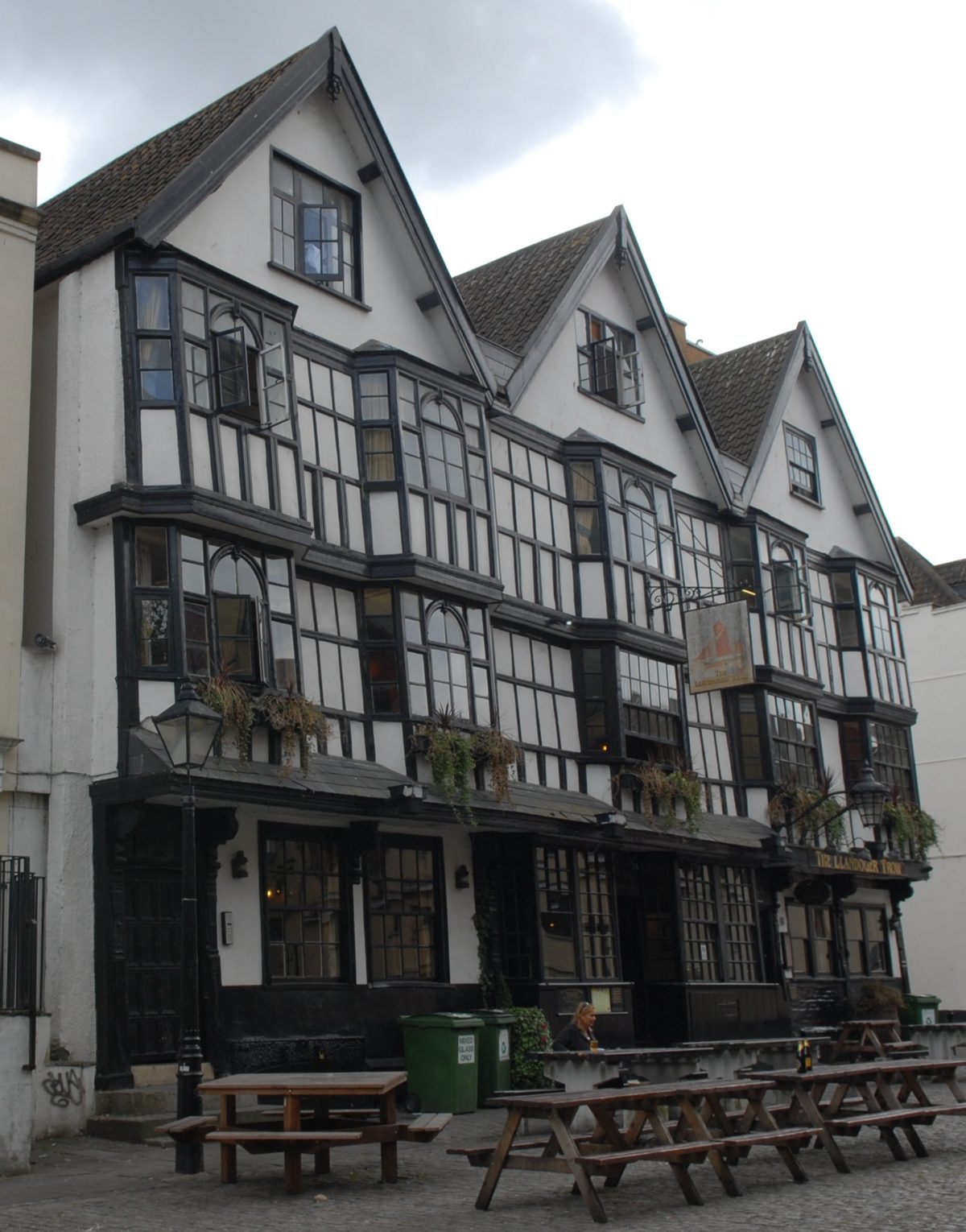
Bristol's historic pubs offer more than just a drink; they are living chronicles of the city's maritime past, social evolution, and architectural legacy. From ancient inns to dockside havens, these establishments provide direct connection to centuries of local life, preserving their unique character and documented associations for generations of patrons.
The Llandoger Trow - A Seafarer's Legend
Standing prominently on King Street, the Llandoger Trow is one of Bristol's most visually striking and historically significant pubs. Its timber-framed structure, with multiple gables and jettied floors, dates back to 1664, making it a rare surviving example of 17th-century architecture in the city. The design features a distinctive overhanging upper story, a common construction method of the period to maximize floor space on narrow streets. The name "Llandoger Trow" refers to a type of flat-bottomed sailing boat, or "trow," from the village of Llandogo in Monmouthshire. These vessels frequently navigated the Rivers Wye and Severn, bringing goods like timber, coal, and agricultural produce directly to Bristol's docks. This name itself speaks volumes about the pub's deep connections to Bristol's maritime trade and its historical role as a hub for sailors and merchants who plied these busy waterways.
Inside, the Llandoger Trow presents a labyrinthine layout, a distinctive feature shaped by centuries of adaptation and expansion. Low, beamed ceilings, uneven floorboards that creak with history, and a series of interconnected rooms and snugs create an atmosphere of intimate antiquity. Each turn reveals another nook or cranny, suggesting the countless conversations, clandestine meetings, and trade transactions that have taken place within its walls over the centuries. The interior spaces retain a rustic, unfussy charm, allowing the building's age and character to speak for themselves. The multi-level arrangement, with its narrow, winding staircases, adds to the sense of stepping back in time, away from the more open-plan designs of modern establishments. Original oak paneling and fireplaces contribute to the authentic 17th-century ambiance, immersing patrons in a tangible piece of Bristol's past.
The pub is famously associated with two literary giants. It is widely believed to have served as a primary inspiration for Robert Louis Stevenson's classic adventure novel, "Treasure Island." The Admiral Benbow Inn, a setting central to the novel's narrative and the starting point for Jim Hawkins' adventures, bears a striking resemblance to the Llandoger Trow's exterior, with its distinctive gables and historic portside location. One can easily imagine Captain Billy Bones, a character from the novel, taking up residence within such a grizzled, sea-worn establishment. Furthermore, the celebrated writer Daniel Defoe is documented to have met Alexander Selkirk here in the early 18th century. Selkirk, a Scottish privateer, spent four years shipwrecked on a deserted island off the coast of Chile. His incredible tale of survival became the real-life inspiration for Defoe's "Robinson Crusoe," one of the most enduring novels in English literature. This documented encounter anchors the Llandoger Trow firmly in the annals of literary history, connecting it to stories that have captivated readers for centuries and underscoring its role as a meeting place for adventurers, explorers, and the storytellers who immortalized their exploits.
The Nova Scotia - Harbour Views and Trade Routes
Nestled on the Cumberland Basin, near the historic Nova Scotia Place lock, the Nova Scotia pub offers a direct link to Bristol's industrial and maritime past. This establishment, likely built in the mid-19th century around the 1850s, was strategically positioned to serve the bustling community of dock workers, sailors, and engineers who maintained Bristol's revolutionary Floating Harbour. The pub's name is a direct homage to the sailing ships that once traversed the Atlantic, docking at this very spot to load and unload goods, particularly coal, timber, and agricultural products, destined for Nova Scotia, Canada. These trade routes were vital for Bristol's economy, and the pub stands as a tangible reminder of the significant global connections that defined the city's port.
The room itself is distinguished by its unpretentious, functional design, reflecting its origins as a working-class dockside pub. Large windows are a key feature, offering expansive, dynamic views across the Cumberland Basin. Patrons can observe the intricate workings of the lock gates, the constant movements of various boats, and the distant, iconic silhouette of Isambard Kingdom Brunel's Clifton Suspension Bridge. This visual connection to the harbour is central to the pub's identity; it's a place where one can truly feel the ebb and flow of Bristol's waterways and witness the ongoing legacy of its maritime heritage. The interior is traditional, often featuring simple wooden furnishings, a welcoming bar, and a clear, open layout that prioritizes practicality and comfort for its patrons. It lacks the ornate flourishes of some older city pubs, instead offering a sturdy, welcoming environment that has changed little in its fundamental character over the decades.
The Nova Scotia's documented association is intrinsically tied to its location and name. It was an essential social hub for the people who powered Bristol's port economy. Sailors, after long and often perilous transatlantic voyages, would have found respite and camaraderie here, sharing tales of the sea. Dockers, who worked tirelessly loading and unloading cargo, would have gathered before or after shifts, exchanging news and enjoying a well-earned pint. The pub's existence underscored the daily rhythm of life around the docks, providing sustenance and community. Its position next to the Nova Scotia Place lock also highlights its connection to the engineering marvel of the Floating Harbour, demonstrating Bristol's ingenuity in managing its tidal river through the vision of engineers like William Jessop and Brunel. The pub, therefore, stands as a quiet monument to the city's historical role as a major port and a focal point for transatlantic trade, keeping the memory of these vital connections alive for contemporary visitors.
The Coronation Tap - Clifton's Cider Stronghold
Located in the affluent Clifton Village, the Coronation Tap is an institution renowned for its unique cider tradition. While the exact construction date of the building itself is not pinpointed as precisely as some ancient inns, its long-established presence as a pub, particularly under this name, firmly places it within Bristol's historic drinking establishments. It occupies a characterful old building, typical of Clifton's enduring Georgian and Victorian architecture, which has adapted over time to its role as a popular local. The pub's location in Clifton, a fashionable suburb developed from the 18th century onwards, provides an interesting contrast to its rustic, no-frills interior.
The most distinctive feature of the Coronation Tap is its cellar bar atmosphere. Descending into the main drinking area, patrons find themselves in a low-ceilinged, often stone-walled space that feels both intimate and vibrant. This subterranean environment is crucial to its unique charm, making it feel like a hidden gem, a world apart from the genteel streets above. The interior is rustic, with sturdy wooden tables and benches, creating a convivial setting that encourages conversation and shared experience. The lack of pretension, combined with the distinctive aroma of cider, immediately sets the tone. It is a place where the focus is squarely on conversation and the appreciation of its signature drink, fostering a sense of tradition and community.
The Coronation Tap's documented association is its unwavering commitment to cider, specifically its potent "Exhibition Cider." This high-strength cider has been a staple for decades, earning the pub a legendary status far beyond Bristol. It's a place where visitors come specifically to experience this particular beverage, often served in half-pints due to its strength. The pub cultivated a reputation as a specialist cider house long before the modern resurgence of craft cider, solidifying its place as a pioneer in promoting traditional, strong ciders. Its tradition includes: Serving its unique "Exhibition Cider," known for its strength and distinctive dry taste, often around 8.2% ABV. Maintaining a focus on a limited, high-quality selection of ciders, often sourced from local producers, rather than a vast array of beers. Being a long-standing fixture in Clifton Village, drawing a diverse crowd from university students to long-time locals and international visitors. Upholding a traditional pub atmosphere where the character of the drink and the venue are paramount, fostering a unique social experience.
This focus on a singular, powerful product has given the Coronation Tap a distinct identity, making it an essential visit for anyone interested in Bristol's unique drinking culture and a verifiable landmark in the history of cider appreciation.
The Kings Head - Victoria Street's Ancient Inn
The Kings Head, situated on Victoria Street near the bustling Temple Meads station, is one of Bristol's truly ancient inns. While parts of its structure may date back to the 14th century, its more identifiable form as a public house largely originates from the 17th century. This long lineage places it among the oldest continually operating establishments in the city, bearing witness to centuries of Bristol's urban development and the constant flow of travellers and residents through its doors. As a former coaching inn, it has served as a vital stopping point for those arriving in or departing from Bristol, first by horse and carriage, and later by train.
The interior of the Kings Head offers a quintessential traditional English pub experience. It features exposed wooden beams, characteristic of medieval and early modern construction, open fireplaces that provide warmth and ambiance, and a layout that often includes multiple, distinct rooms or snugs, creating a sense of cosy intimacy. The design emphasizes comfort and a classic aesthetic, with dark wood, traditional furnishings, and an inviting ambiance that feels deeply rooted in history. Unlike some pubs that have undergone extensive modern renovations, the Kings Head has maintained much of its historical character, providing a genuine sense of stepping into a bygone era. The different snugs and bar areas allow for various social settings, from quiet contemplation in a corner to lively conversation around the main bar. Details such as worn flagstone floors and low doorways hint at the building's age and its continuous use over hundreds of years.
The Kings Head's documented association stems from its age and strategic location. As an old coaching inn, it would have been a crucial hub for travellers arriving by horse and carriage from across the country. These inns provided not just drink, but also food, accommodation, and stabling for horses, acting as vital communication and transport nodes. With the advent of the railway in the 19th century and the construction of Brunel's Temple Meads station nearby, the pub adapted, continuing to serve a new generation of travellers. Its continuous operation for several centuries means it has been a constant presence in the lives of Bristolians and visitors, serving as a social centre, a place for news exchange, and a refuge for weary travellers. Its longevity alone powerfully underscores its significance in Bristol's social fabric, embodying the enduring tradition of hospitality in the city and providing a direct link to Bristol's role as a transport and commercial hub through the ages.
A Glimpse into Bristol's Past through its Pubs
These historic pubs are more than just places to drink; they are repositories of Bristol's past, each telling a distinct story of the city's evolution. The Llandoger Trow speaks of maritime adventure and literary inspiration, rooted in the age of sail and exploration that defined Bristol's global reach. The Nova Scotia, with its harbour views, chronicles Bristol's industrial might and transatlantic trade connections, a period of immense growth and engineering ambition. The Coronation Tap in Clifton champions a specific, potent aspect of the region's drinking culture, highlighting traditional cider in a unique, intimate setting that has shaped local tastes for generations. Finally, the Kings Head on Victoria Street embodies the enduring spirit of hospitality, serving as a constant through centuries of urban change and travel, witnessing the ebb and flow of countless lives. Together, they form an invaluable network of cultural landmarks, offering tangible links to the people, events, and traditions that have shaped Bristol into the vibrant city it is today. Visiting them provides a direct, engaging way to connect with the city's multifaceted history, allowing patrons to literally step into the past.
Frequently asked questions
Are these pubs still operating as traditional pubs?
Yes, all these establishments continue to operate as traditional pubs, maintaining much of their historic character and serving patrons today. While specific opening hours or current services are not covered here, their core function as public houses with their unique historical identities remains intact. They are integral parts of Bristol's cultural and social landscape.
What kind of historical information can I expect to find at these pubs?
Many historic pubs display old photographs, newspaper clippings, or plaques detailing aspects of their past, including notable patrons, architectural changes, or significant events. While specific displays vary, the buildings themselves, with their distinctive architecture and preserved features, are the primary historical artifacts. Engaging with the atmosphere and the physical space provides the most direct historical experience.
Are these pubs accessible from Bristol city centre?
The Llandoger Trow and the Kings Head are located within or very close to the city centre, making them easily accessible on foot. The Nova Scotia is slightly further out on the harbour, a pleasant walk from the city centre, offering scenic views along the way. The Coronation Tap is located in Clifton Village, which is a short bus ride or a longer, uphill walk from the city centre, but well worth the journey for its unique character.
This is an independent member's guide compiled by Bristol Society. We are not affiliated with the venues and institutions mentioned; opening arrangements and programmes change - always confirm details on the official websites before making plans.
← Back to Events