Markets and food culture in Bristol - where locals actually shop and eat
The markets, food halls and independent streets that show how Bristol really eats.
Bristol's food scene stands out for its fierce independence and deep historical roots, offering a vibrant spectrum of culinary experiences. From ancient trading halls to repurposed docklands and bohemian high streets, the city's markets and food districts reflect centuries of diverse influences and a strong community spirit, shaping its unique gastronomic identity.
St Nicholas Market - A Historic Epicentre of Global Tastes
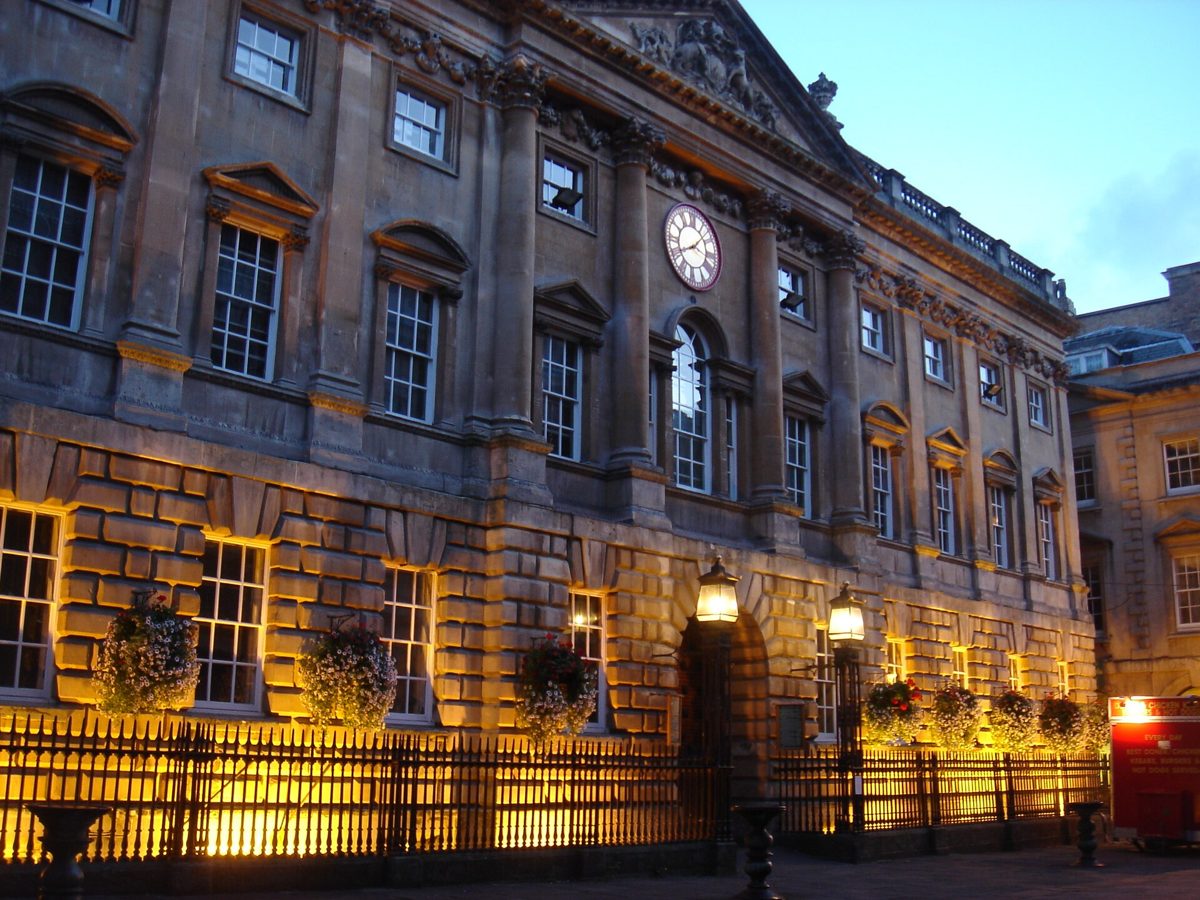
Nestled within Bristol's Old City, St Nicholas Market is a vibrant institution, a continuous hub of trade since 1743. Housed within the grand Corn Exchange building, its atmosphere is a lively, sensory experience of competing aromas and chatter. This market is a microcosm of Bristol's historical role as a port city, a place where goods and people from various cultures have converged for centuries. The architectural splendour of the glass-covered Victorian shopping arcade provides an impressive backdrop to the everyday bustle.
The market encompasses several distinct sections. The Glass Arcade is renowned for its international street food, offering everything from steaming bowls of authentic ramen and spicy Caribbean jerk chicken to fragrant Middle Eastern falafel wraps and rich, slow-cooked curries. Traders here often focus on specific regional cuisines, prepared with fresh ingredients right before your eyes. Beyond the hot food, the main covered market features a diverse array of stalls selling artisan crafts, vintage clothing, unique jewellery, and second-hand books. The Exchange Hall, another section, hosts a variety of independent retailers offering everything from bespoke gifts to retro homewares. St Nicholas Market truly embodies Bristol's mercantile past, demonstrating an enduring legacy of commerce and cultural exchange that continues to thrive today. Its enduring popularity stems from this blend of history and contemporary flavour.
Wapping Wharf - Modern Flavours by the Harbourside
Wapping Wharf represents a more recent, yet equally compelling, chapter in Bristol's food story. This district, developed on former docklands, creatively re-imagines the city's industrial heritage. Its signature feature is Cargo, a collection of independent restaurants, cafes, and shops ingeniously housed within converted shipping containers. The atmosphere here is distinctly modern, urban, and relaxed, with views across the historic Floating Harbour. It is a place where industrial grit meets contemporary dining.
The culinary offerings at Wapping Wharf are diverse and often innovative, reflecting Bristol's reputation as a city that embraces new ideas. Visitors can find an array of choices, from seafood specialists serving fresh catches direct from the coast to bakeries crafting artisanal sourdough and patisseries offering delicate French pastries. There are also establishments focusing on small plates, craft beers, and specialty coffees, alongside ice cream parlours and ethical grocers. The emphasis is consistently on quality ingredients, often locally sourced, and a creative approach to cuisine. Wapping Wharf's history is intrinsically linked to Bristol's working port; it transforms the very fabric of that past-the shipping container-into a symbol of modern culinary entrepreneurship. It feels like a natural evolution, connecting the city's maritime past with its present-day vibrancy.
Gloucester Road - Bristol's Independent High Street
Stretching north from the city centre, Gloucester Road is often cited as the longest street of independent shops in the UK. This vibrant thoroughfare offers a stark contrast to typical high streets, resisting the homogenisation of chain stores. Its atmosphere is bohemian, community-focused, and authentically Bristolian, reflecting a strong local identity and a preference for ethical, independent enterprise. The street is lined with Victorian terraced houses, many of which have ground-floor shops, giving it a unique character.
Gloucester Road's food scene is deeply embedded in its independent spirit. Here, you will find a wealth of specialist food shops, each contributing to the street's unique ecosystem: Artisan Bakeries: Offering freshly baked sourdough, pastries, and specialty breads. Independent Butchers: Sourcing local meats with an emphasis on quality and provenance. Greengrocers: Stocking seasonal produce, often from nearby farms. Delicatessens: Featuring local cheeses, charcuterie, olives, and gourmet pantry items. Coffee Shops and Cafes: Serving ethically sourced coffee and homemade treats, often acting as community gathering spots. Ethical Supermarkets: Focused on organic, vegan, and sustainable products.
This concentration of independent businesses fosters a strong sense of community, where shoppers often know their traders by name. Historically, Gloucester Road has always been a significant local artery, serving the needs of its surrounding neighbourhoods. Its current incarnation as a hub for independent commerce demonstrates Bristol's enduring commitment to local businesses and a distinct, community-driven approach to retail and food culture.
Tobacco Factory Sunday Market - Community and Craft
The Tobacco Factory, an iconic arts venue in Southville, hosts a popular Sunday market that has become a beloved fixture in the local calendar. This market takes place in the outdoor spaces surrounding the converted Victorian factory building, lending it an industrial-chic backdrop. The atmosphere is relaxed, family-friendly, and very much a community gathering, often enhanced by the sounds of live music or the buzz from the theatre.
The market offers a curated selection of goods, with a strong emphasis on local, handmade, and sustainable products. Food plays a significant role, reflecting Bristol's appreciation for artisan produce and street food. You can expect to find: Local Produce: Seasonal vegetables, fruits, and herbs from regional growers. Artisan Foods: Freshly baked bread, homemade preserves, local cheeses, and specialty cakes. Street Food Vendors: Offering a variety of global cuisines, from gourmet burgers to vegan curries, catering to diverse tastes. Craft Stalls: Featuring handmade jewellery, ceramics, textiles, and artwork by local makers. Vintage and Antiques: A rotating selection of unique finds and pre-loved treasures.
The Tobacco Factory building itself has a fascinating history, having once been a working tobacco factory. Its transformation into an arts venue and market space exemplifies Bristol's talent for adaptive re-use, preserving architectural heritage while creating new cultural and commercial opportunities for the community. The Sunday market continues this tradition, providing a platform for local entrepreneurs and a vibrant social space for residents.
Frequently asked questions
What makes Bristol's food scene unique?
Bristol's food scene is distinguished by its deep-seated independence and a strong ethos of local sourcing, coupled with a remarkable diversity of culinary influences. The city actively supports small businesses and artisan producers, leading to a vibrant ecosystem of unique cafes, restaurants, and market stalls that prioritise quality and community. This commitment to local enterprise, often within historically significant settings, creates an authentic and varied gastronomic landscape that reflects Bristol's independent spirit and global outlook.
How do markets contribute to Bristol's character?
Bristol's markets are more than just places to buy goods; they are vital social hubs that deeply embed themselves in the city's character. They foster a strong sense of community, providing platforms for local traders and artisans while preserving historical trading traditions. These markets act as living archives, connecting present-day residents with Bristol's mercantile past and its ongoing evolution as a diverse, creative city. They are places for cultural exchange, supporting the local economy and offering spaces for people to gather and connect.
Is Bristol a good city for vegetarian or vegan food?
Absolutely. Bristol is widely recognised as one of the UK's most progressive cities for vegetarian and vegan dining. Its independent food scene has enthusiastically embraced plant-based cuisine, with numerous dedicated vegan restaurants, cafes, and bakeries across the city. Even non-specialist establishments, from street food stalls in St Nicholas Market to restaurants in Wapping Wharf, typically offer extensive and creative vegetarian and vegan options, reflecting the city's open-minded and health-conscious approach to food.
This is an independent member's guide compiled by Bristol Society. We are not affiliated with the venues and institutions mentioned; opening arrangements and programmes change - always confirm details on the official websites before making plans.
← Back to Events