The best museums and galleries of Bristol - a member's guide
A curated member's guide to Bristol's essential museums and galleries: what to see, when to go and what locals skip.
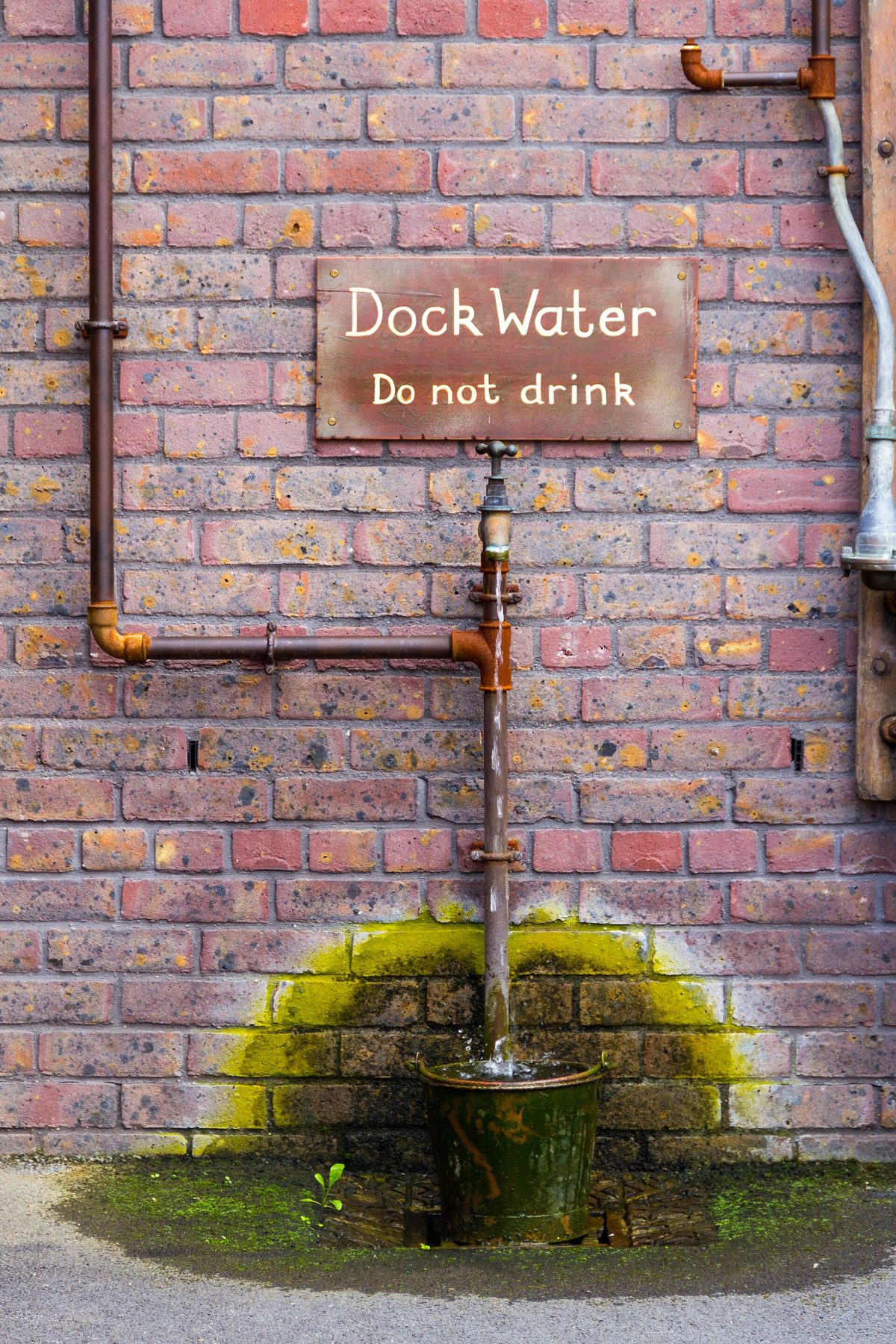
Bristol is a city that takes its culture seriously, blending maritime history, art, science, and radical creativity. For newcomers and curious locals alike, its museums and galleries offer a direct path to understanding what makes the city tick. This guide focuses on Bristol’s most respected and well-loved institutions, with practical tips to make your visits smooth and rewarding.
Brunel’s SS Great Britain
The SS Great Britain is more than a preserved ship; it’s a time capsule of Victorian engineering and ambition. Designed by Isambard Kingdom Brunel, this iron steamer was launched in 1843 and was the largest ship afloat at the time. The museum is centered around the ship itself, which sits in the original dry dock at Bristol’s harbourside.
The highlights include the restored cabins, authentic smells and sounds, and interactive exhibits detailing the ship’s transatlantic journeys and shipwreck years. The Dockyard Museum covers Brunel’s life and the ship’s history, with original documents and artifacts. Families gravitate toward the immersive experiences, but solo visitors can enjoy the quieter weekday mornings.
Entry is paid, with annual memberships available. The site is busiest on weekends and school holidays. Early afternoons mid-week are generally more relaxed. The museum is wheelchair accessible, and the harbourside location is perfect for combining with other cultural stops.
Bristol Museum & Art Gallery
Bristol Museum & Art Gallery sits atop Park Street in a grand Edwardian building. It’s the city’s all-purpose museum, covering everything from Egyptian mummies and geological specimens to a strong collection of British and European paintings. The art galleries feature works from the Pre-Raphaelites, modern British painters like Stanley Spencer and Peter Lanyon, and rotating exhibitions.
The natural history halls are popular with families, but the upper floors - especially the painting collections and ceramics - are often quieter. The museum holds important Bristol-specific artifacts, such as the Bristol dinosaur and local archaeological finds.
Admission is free, and the museum is open most days. Late mornings and mid-afternoons tend to be less crowded, particularly outside school holidays. The museum café is a good spot for a break, and the building is wheelchair accessible.
M Shed
M Shed is Bristol’s museum of social history, housed in a former dockside transit shed. Its exhibits focus on Bristol’s people, industry, and activism from the city’s earliest days to the present. Standout features include the working cranes on the harbourside, the Bristol Bus Boycott exhibit, and displays about local music and street art scenes.
The gallery’s approach is participatory, with lots of oral histories and hands-on elements. The rooftop terrace offers striking views over the harbour. M Shed’s temporary exhibitions often tackle topical issues, from migration to LGBTQ+ history.
Entry is free, except for some special exhibitions. M Shed is busiest at weekends and during school holidays; late afternoons are usually quieter. The museum is fully accessible, and the harbourside location makes it easy to combine with other venues.
Arnolfini
Arnolfini is Bristol’s flagship contemporary art centre, situated right on the harbourside. It began as a gallery in 1961 and has since become a hub for international contemporary art, live performance, film, and literature. Its exhibitions change regularly but often feature major artists from the UK and abroad. Past shows have included Grayson Perry, John Akomfrah, and Lubaina Himid.
Arnolfini’s ground floor spaces include a bookshop and café, both popular with local creatives and visitors. The gallery is free to enter and is typically busiest during exhibition openings and weekends. Late mornings and mid-week afternoons are usually quiet. Arnolfini is wheelchair accessible, and its harbourside position makes it easy to combine with M Shed or SS Great Britain.
The Banksy Trail and Street Art
Bristol is Banksy’s hometown, and his art dots the city’s walls. While there isn’t a single Banksy museum, several works can be seen in situ. Most famous is "Well Hung Lover" on the side of the former Bristol Sexual Health Clinic on Park Street. Other notable pieces include "Girl with a Pierced Eardrum" near the harbour and "The Mild Mild West" in Stokes Croft.
The city’s street art culture is celebrated at Upfest, Europe’s largest street art festival, and at venues like the People’s Republic of Stokes Croft. For those keen to see Banksy’s works, guided walking tours are available, or you can map your own route. Weekday mornings are best for avoiding crowds and getting unobstructed photos.
All Banksy works are visible in public spaces, free to view. Some sites can be busy at weekends or during festivals. Combine the Banksy trail with stops at M Shed for context on Bristol’s activism and creativity.
The Georgian House Museum
This lesser-known gem is a restored townhouse dating from 1790, once home to sugar merchant John Pinney. The Georgian House Museum offers a detailed look at Bristol's connections to the transatlantic slave trade and the domestic lives of wealthy families in the era. Rooms are furnished authentically, from the elegant parlour to the basement kitchen and servants’ quarters.
Interpretive panels and guides detail the lives of Pinney, his family, and the enslaved people whose labour fueled Bristol’s wealth. The museum is quieter than most, especially mid-week. Entry is free, but donations are encouraged. The house is not fully accessible due to its historic layout.
Spike Island
Spike Island is Bristol’s centre for contemporary visual arts and artist studios. Housed in a converted warehouse, it hosts exhibitions of international and UK artists, often focusing on experimental media and installations. Past exhibitors include Otobong Nkanga, Charlotte Prodger, and Lubaina Himid.
Spike Island’s open studio events are a highlight, offering visitors a chance to meet artists and see works in progress. The gallery spaces are free to enter; special events may require booking. Spike Island is busiest during exhibition openings and festivals. Weekday afternoons are typically quiet. The site is accessible and located near the harbourside, easy to combine with other galleries.
Frequently asked questions
Can I see Banksy’s original works in Bristol museums?
No Bristol museum has permanent Banksy originals, but several of his most famous murals are visible in public spaces around the city. “Well Hung Lover” on Park Street is probably the easiest to find. Guided street art tours provide context and history, or you can explore independently.
Are Bristol museums and galleries suitable for children?
Most of Bristol’s museums, especially M Shed and Bristol Museum, cater well to families, with interactive exhibits and dedicated children’s areas. SS Great Britain is particularly popular with school-age children thanks to its immersive experiences. Galleries like Arnolfini and Spike Island may appeal more to older children and teens.
Do I need to book tickets in advance?
You generally don’t need to book for free-entry venues like Bristol Museum, M Shed, Arnolfini, or Spike Island, except for special exhibitions or events. SS Great Britain requires paid entry, and booking ahead is advisable during holidays or weekends. For guided Banksy tours, advance booking is recommended. Bristol’s cultural scene is always evolving, but its museums and galleries remain steadfast anchors. Whether you’re a newcomer or a seasoned resident, these institutions offer a direct way to connect with the city’s past, present, and creative future.
This is an independent member's guide compiled by Bristol Society. We are not affiliated with the venues and institutions mentioned; opening arrangements and programmes change - always confirm details on the official websites before making plans.
← Back to Events