Bristol neighbourhoods - a newcomer's guide to the city's character
Clifton is not Bedminster. A plain guide to how the city divides and what each part is like.
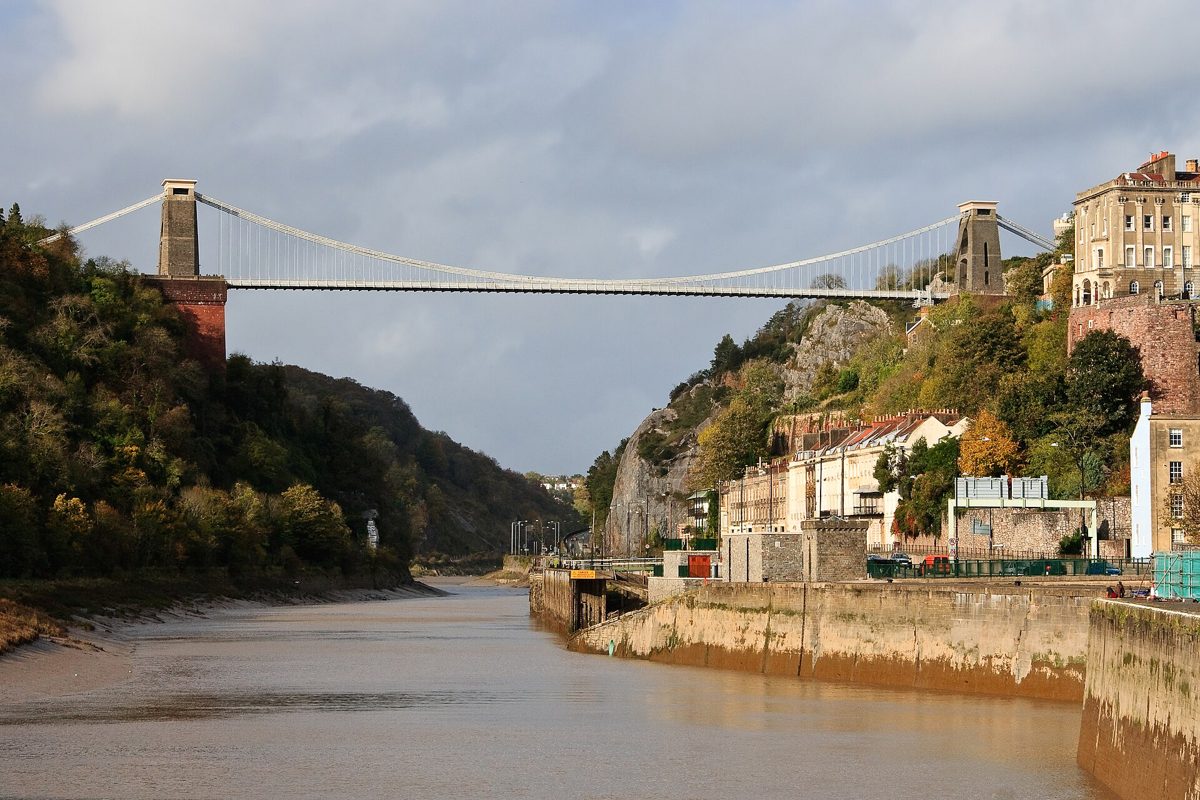
Bristol's six central neighbourhoods each suit a different daily rhythm: Clifton for Georgian calm, the Old City for markets, Harbourside for culture, Stokes Croft for nightlife, Bedminster for community life and Redland for quieter streets. Most newcomers can reach all six by bus or bike.
How to use this guide
This guide is written for an international professional settling in Bristol. It focuses on identity, history and everyday orientation. It does not cover property prices, crime rates or school catchments, so treat it as a starting map rather than a decision spreadsheet.
A useful first step is to spend one weekday and one weekend in each area before choosing a base. Bristol changes by hour: a street that feels calm on Tuesday morning may be busy on Saturday night.
Clifton and Clifton Village
Clifton grew as a spa and residential suburb in the eighteenth and nineteenth centuries, when wealthy merchants built terraces above the Avon Gorge. Today it is leafy and affluent, with university buildings, independent cafes and a strong Georgian street pattern. A newcomer goes there for the Clifton Suspension Bridge, the Downs, Royal York Crescent and long views across the gorge.
Clifton Village adds smaller streets, bookshops and cafes around the Mall Gardens. Cabot Tower on Brandon Hill is nearby, and the walk down through the gorge gives a clear sense of Bristol's geography. For a first impression of the city, few places beat the bridge at sunset, though weekends can be crowded.
The Old City
The Old City is the medieval core around the site of Bristol Castle, later rebuilt after wartime bombing, and still centred on St Nicholas Market and Corn Street. It is compact and busy, mixing historic pubs, legal and financial offices and independent shops. Newcomers go for St Nicholas Market, Bristol Old Vic, the narrow lanes off Broad Street and the harbour-edge cafes nearby.
This is the area for short errands and lunch breaks. The lanes around St Nicholas Market reward slow walking, while Corn Street shows Bristol's mercantile past in its Exchange building and historic nails. The Old City also works well as a meeting point because most bus routes pass close by.
Harbourside
Bristol's docks drove the city's eighteenth-century wealth, and the harbour area still carries warehouses and cranes from that era. Now regenerated, it mixes museums, galleries, apartments and waterside restaurants around the Floating Harbour. A newcomer goes for SS Great Britain, M Shed, Arnolfini, harbour walks and the Saturday markets.
Harbourside is best understood on foot. Walk from the city centre past the harbourside cranes, cross Pero's Bridge, and continue towards the SS Great Britain site. The area also connects easily to the Old City and to Spike Island, so it suits professionals who want culture close to work.
Stokes Croft and Montpelier
Stokes Croft was a working-class and industrial district north of the centre, and Montpelier grew as a dense Victorian suburb beside it. Today the area is bohemian and independent, known for murals, music venues and small shops. Newcomers go for street art walks, independent cafes, record shops and the lively nightlife along Stokes Croft.
Montpelier's steep residential streets feel different from the main road. It is a good place to notice Bristol's everyday creativity: painted shopfronts, small music spaces and community notices. For a newcomer, a daytime walk from Stokes Croft into Montpelier shows both the energy and the quieter residential side of the area.
Bedminster and Southville
South of the river, Bedminster and Southville grew around tobacco and manufacturing, leaving long terraces and factory buildings. The present character is residential and community-led, with arts spaces and a strong local high street. Newcomers go for North Street, the Tobacco Factory arts centre, street art and the Sunday market.
North Street is the spine of the area, with cafes, bakeries and small shops. The Tobacco Factory arts centre anchors the cultural side, while the street art gives the neighbourhood a recognisable identity. It is a practical choice for someone who wants a local high street rather than a city-centre address.
Redland
Redland developed as a nineteenth-century suburb of villas and tree-lined roads, and it still feels quieter than the centre. It is residential, with a mix of professionals, families and students, and good access to Gloucester Road. Newcomers go for Redland Green, independent cafes and the short walk to Whiteladies Road.
Redland works well for routine: supermarkets, cafes, green space and bus links. Gloucester Road provides a long independent shopping street, while Whiteladies Road connects towards Clifton. The area suits people who want calm streets but still need quick access to central Bristol.
A first-week orientation plan
Walk the Clifton Suspension Bridge and the Downs on a clear day. Visit St Nicholas Market at lunchtime and return for an evening drink nearby. Follow the harbour from the centre to SS Great Britain. Take a Stokes Croft street art walk, then continue into Montpelier. Spend a Sunday morning on North Street in Bedminster. Walk Redland Green, then continue towards Gloucester Road.
Frequently asked questions
Which area suits a first month in Bristol?
Most newcomers start near the centre or Harbourside, since both put you within walking distance of major sights and transport links while you learn the city's layout.
Is a car necessary?
No, the core neighbourhoods are well served by buses and cycle routes, and parking in Clifton or the Old City is limited, so many professionals rely on public transport and walking.
Where can I meet other professionals?
Harbourside cafes, Clifton village pubs and Stokes Croft coworking-adjacent cafes are common meeting points, and local professional networks often host events in the city centre. | Neighbourhood | Best for | Character | |---|---|---| | Clifton | Bridge, Downs, views | Georgian, leafy | | Old City | Markets, theatre, lanes | Compact, historic | | Harbourside | Museums, waterfront | Regenerated docks | | Stokes Croft | Street art, music | Bohemian, independent | | Bedminster | Arts, high street | Community-led | | Redland | Green space, cafes | Quiet, residential |
This is an independent member's guide compiled by Bristol Society. We are not affiliated with the venues and institutions mentioned; opening arrangements and programmes change - always confirm details on the official websites before making plans.
← Back to Events